
discover Dehlinger
the SOILS
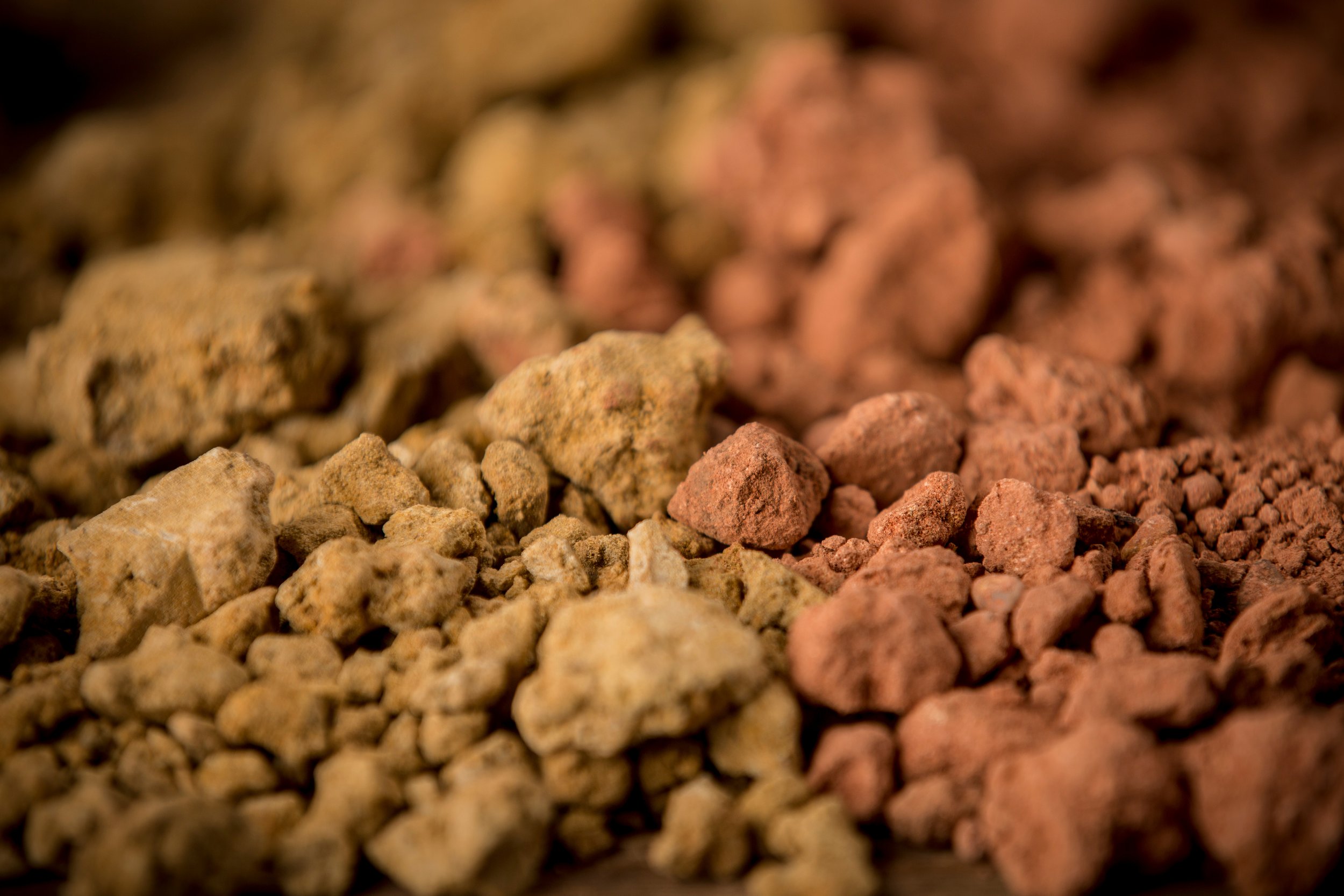
A vineyard-driven wine is made unique by its soils
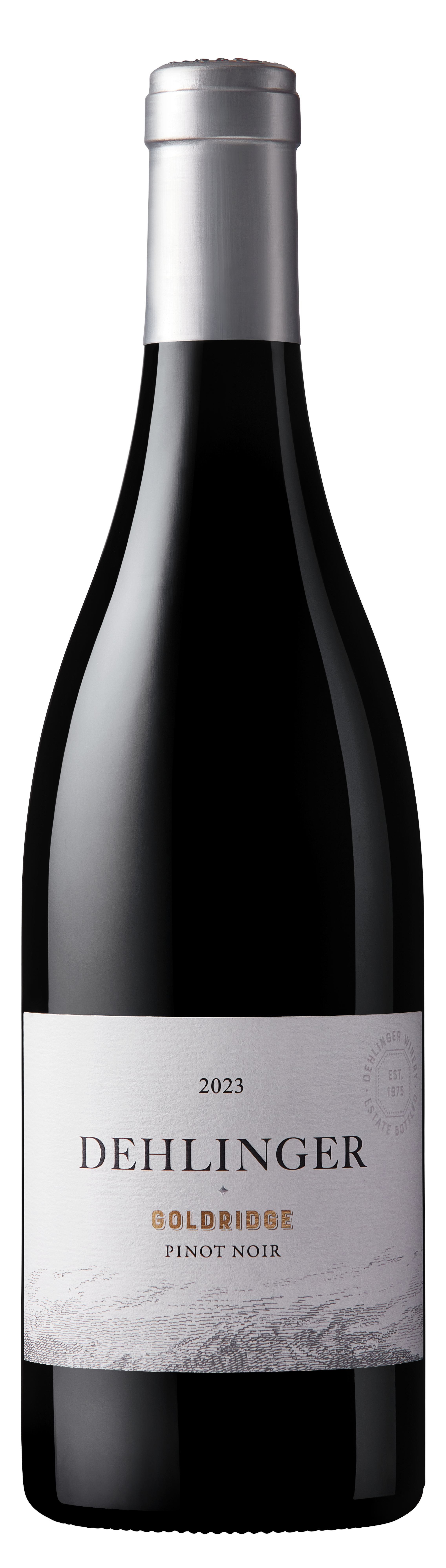
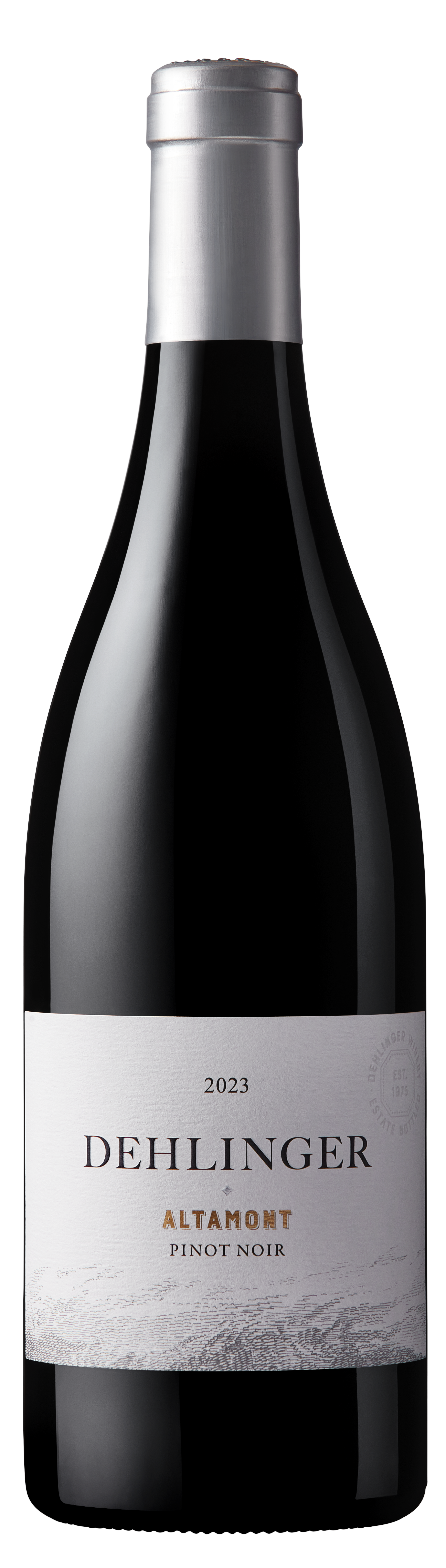
Two soil-types are marbled across the Dehlinger estate: altamont and goldridge. What we have learned over fifty years of winegrowing and winemaking on this property is that both soils can produce excellent, unique, and distinctive wines which reflect the way that each soil supports plant growth and fruit development. Wines from the goldridge soils tend to be fruit-forward, aromatic, and supple on the palate. The altamont soil wines are often more brooding, denser, thick, and firm. Since the mid-1990s, we have made bottlings from the property under the trademarks Goldridge and Altamont in homage to the goldridge soils on our vineyard site and the red gravelly altamont soils on our hilltops.
geologic origins
The site that our family has been privileged to own and operate since 1973 has a distinguished history that goes back about 5 million years. At that time, our land, now 13 miles from the Pacific Ocean, was right at the water's edge. Over an extended period, a semi-circular ocean bay about 15 miles long and perhaps 8 miles wide was slowly filled with fine sandy and silty sediments that had eroded from nearby older volcanic rock. Ultimately, a layer hundreds of feet in depth was deposited. Saltwater clams were common and left shell-bearing lenses five to twenty feet thick.
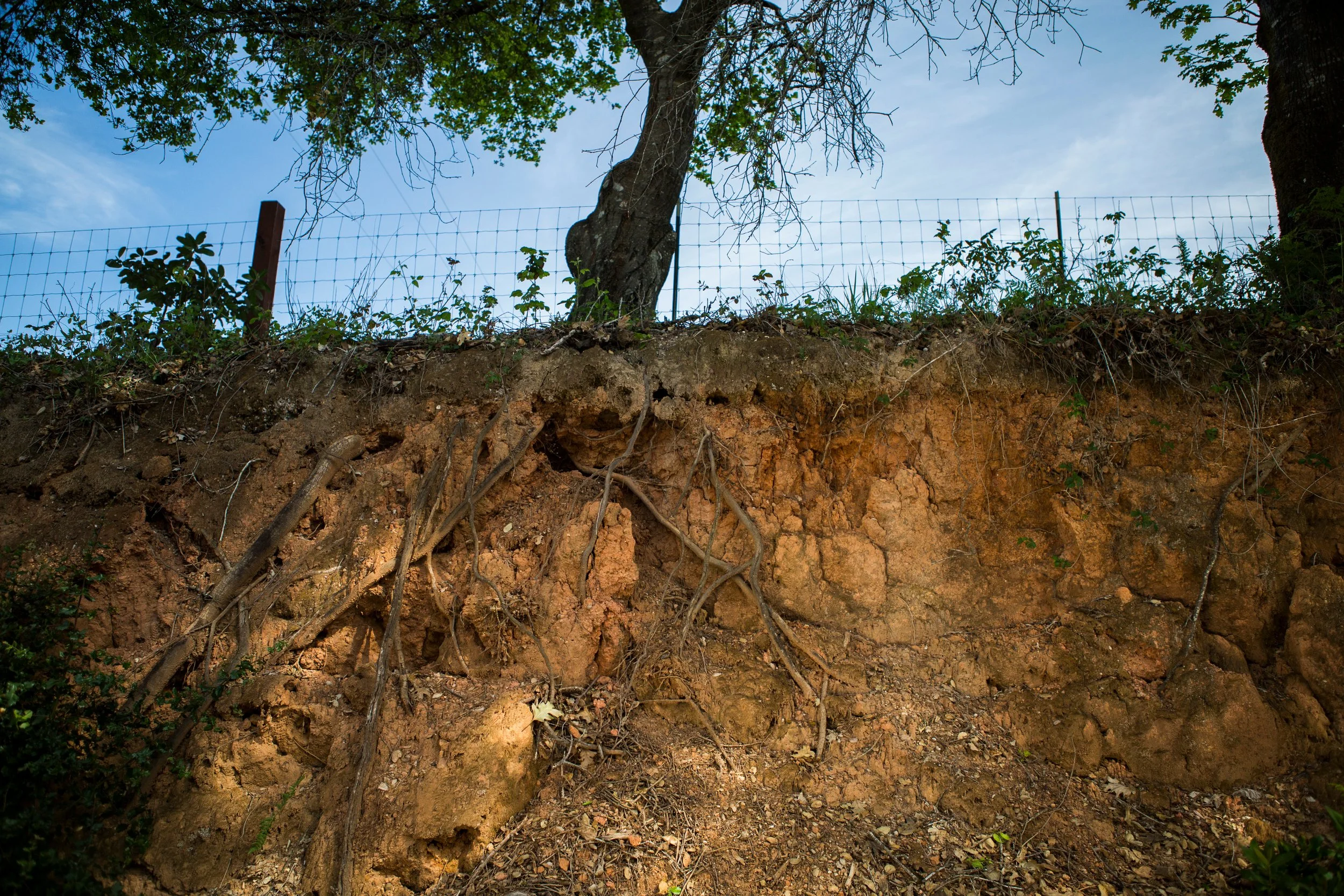
Perhaps a million years later, along the eastern rim of this bay, a related but less extensive deposit was made under fresh water conditions in a strip 10 miles long and less than a mile wide. This strip, not subject to the washing of the tides, contained more gravel and a reddish clay.
Our property, with 80 plantable vineyard acres, is at the junction of these two deposits and at the extreme northern reach of the second one. Later still, during the Ice Age, the coastal hills were pushed up to our west to a height of 500 to 1200 feet, creating a mild barrier from the ocean, giving us an ideal summer climate—an undulating tension between influences of the cold Pacific and the warm California interior—that winegrapes love
The larger deposit referred to above has weathered into the fine sandy loam that is goldridge soil. Its topsoil is typically gray to brownish-gray and about two feet deep, with a composition of 70% fine sand, 20% silt, and 10% clay. Its subsoil is typically a yellowish clay loam with an additional three to four feet of depth and a composition of 55% fine sand, 20% silt, and 25% clay. When European immigrants first began agricultural pursuits in this area they found the goldridge soil to be ideally suited for apples, cherries, and berries. It yielded good crops of high quality and well-sized produce without any irrigation, as the substantial depth and the silt and clay fractions in the subsoil could bank enough water to sustain these plants through the generally rain-free six-month growing season.
Dehlinger’s Goldridge bottling originate in the goldridge soil portions of the vineyard.
GOLDRIDGE Soil
The smaller reddish deposit has evolved into the altamont gravelly fine sandy loam, and its official soil name is the Sebastopol Sseries soil. Its topsoil is a brown to grayish brown layer only one foot thick with a composition of 5% gravel and coarse sand, 60% fine sand, 22% silt and 13% clay. The associated dull red to brown subsoil is an additional two to three feet thick with a make up of 50% fine sand, 20% silt, and 30% clay. Its total water holding capacity is less than the goldridge soil, but the higher clay content is conducive to a slow extraction of water over a long period of dry summer growth. The early farmers considered the altamont soil less valuable than the goldridge soil because the tonnage yields were lower. It was planted mainly to apples and winegrapes, the latter crop being favored by the higher aspect of the soil, meaning there was a lower likelihood of damaging spring frosts.
By the 1920s, it had been observed that the altamont soil would ripen its crops up to a week earlier than the goldridge soil, which was a distinct advantage in fresh produce marketing as the very first ripe fruits of summer used to command significantly higher prices. About a quarter of our altamont soil acreage, the part occupying the hilltops and ridge tops, has a very thin topsoil, and in these areas the grapes grow almost directly in the subsoil and struggle more. Yields average well under two tons per acre and the grapes are small and especially concentrated.
Dehlinger’s Altamont bottlings as well as our Octagon, Champ de Mars, and High Plains wines originate in altamont soil areas.
Altamont Soil
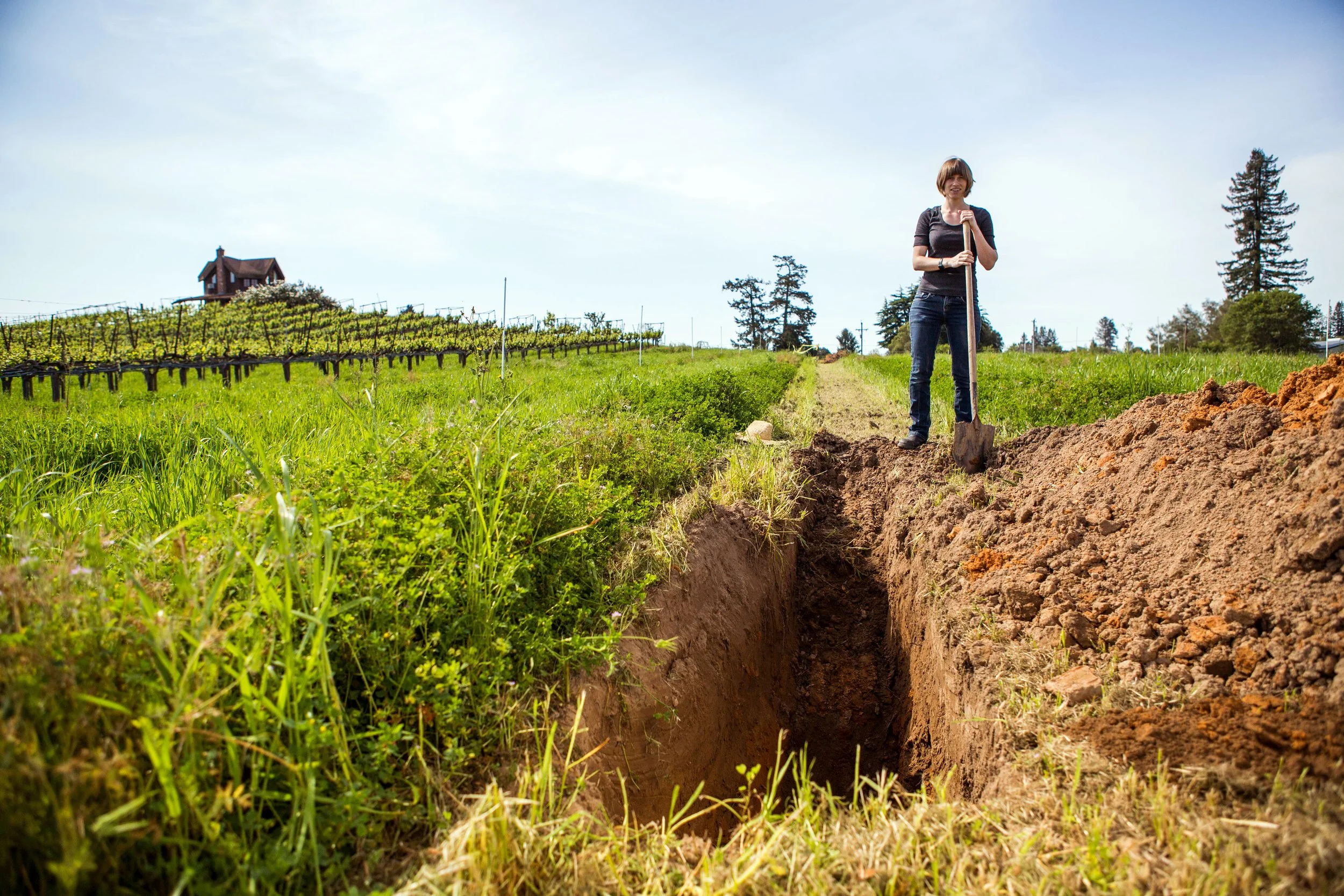
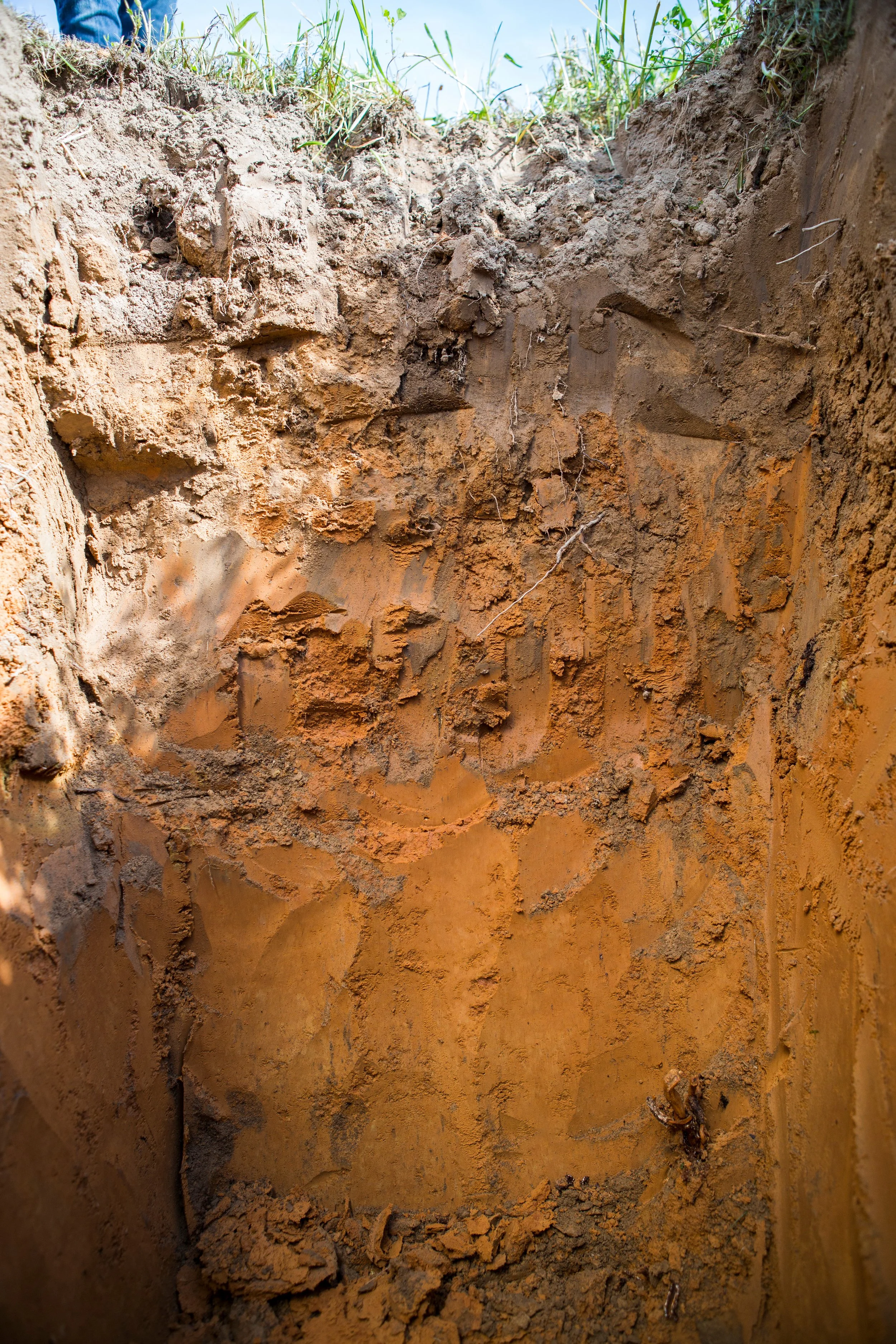
Our process has involved years of study and exploration in the variation in our soils, and we’ve discovered the character of the wine that originates from each section.
our approach
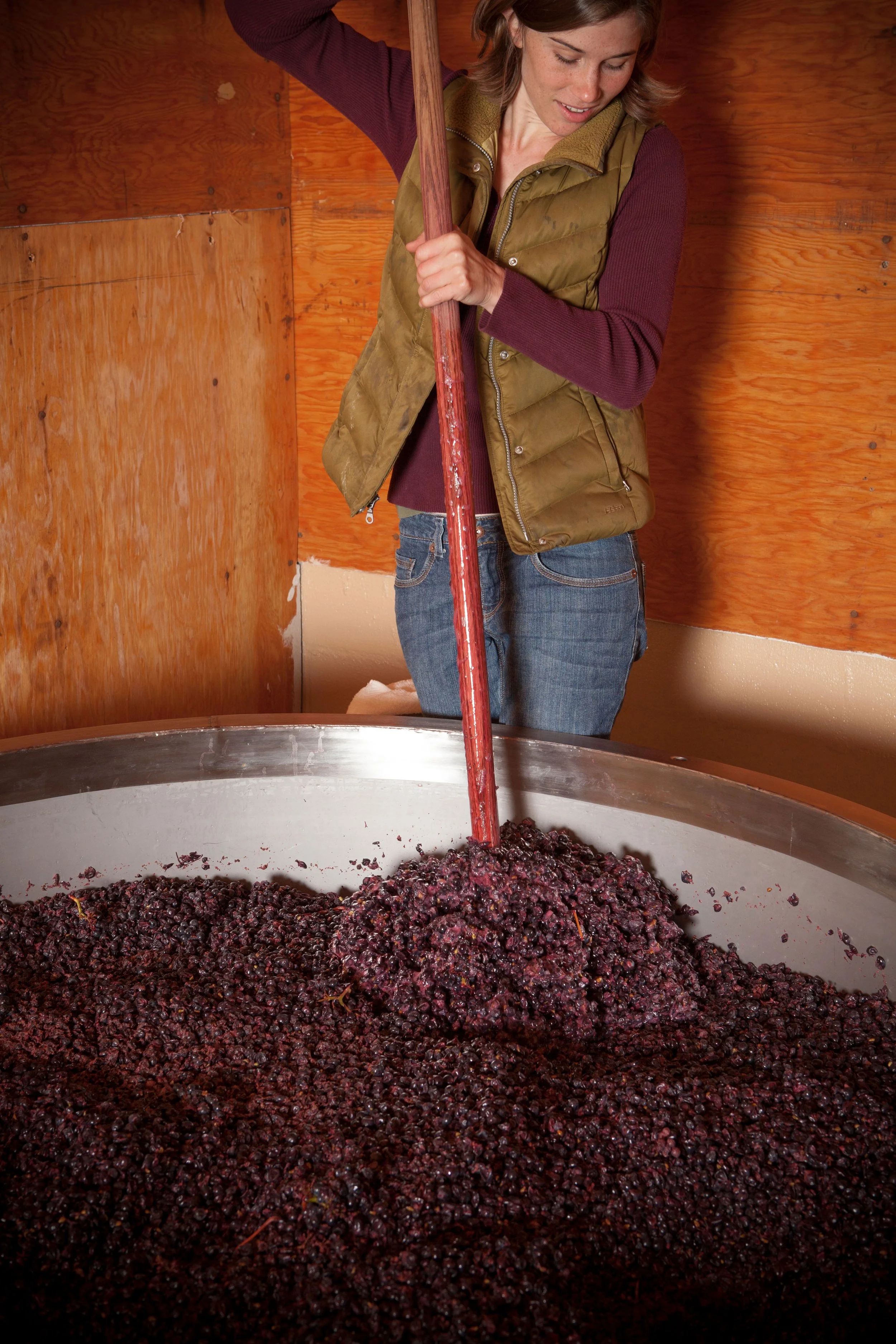
Winemaking at Dehlinger is guided by a steady, deliberate approach—one that builds on decades of experience and a close understanding of the vineyard. In the cellar, each decision is made with care, allowing the character of the fruit to come through with clarity.
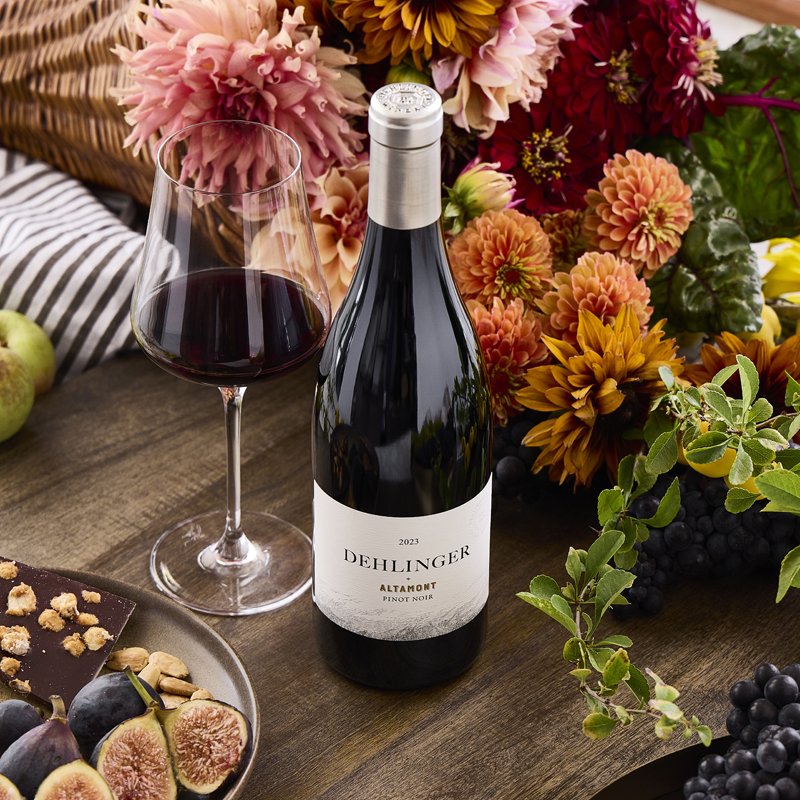
PINOT NOIR
Shop available wines.
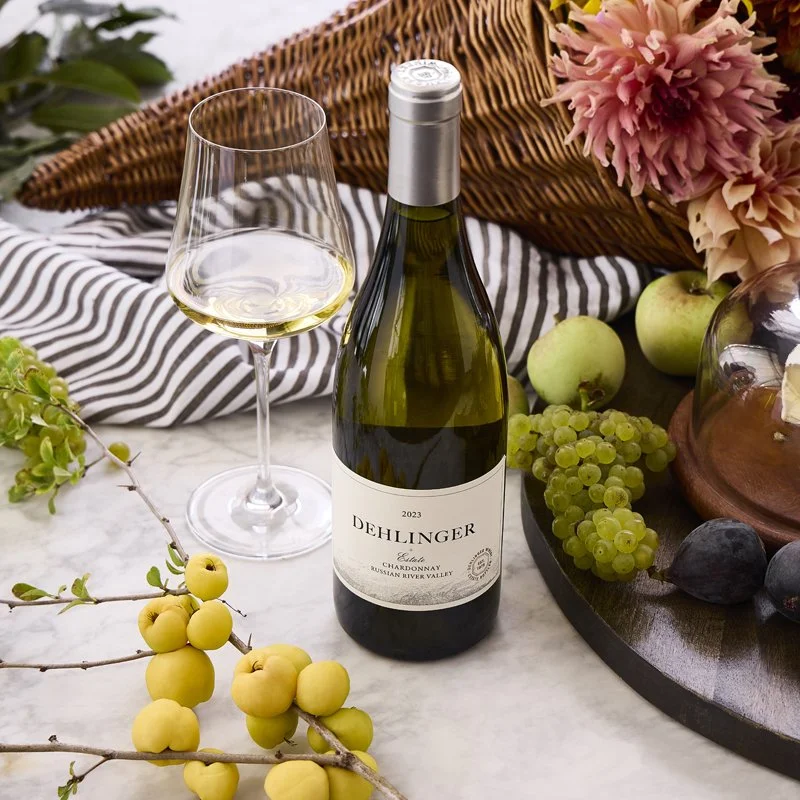
CHARDONNAY
Shop available wines.
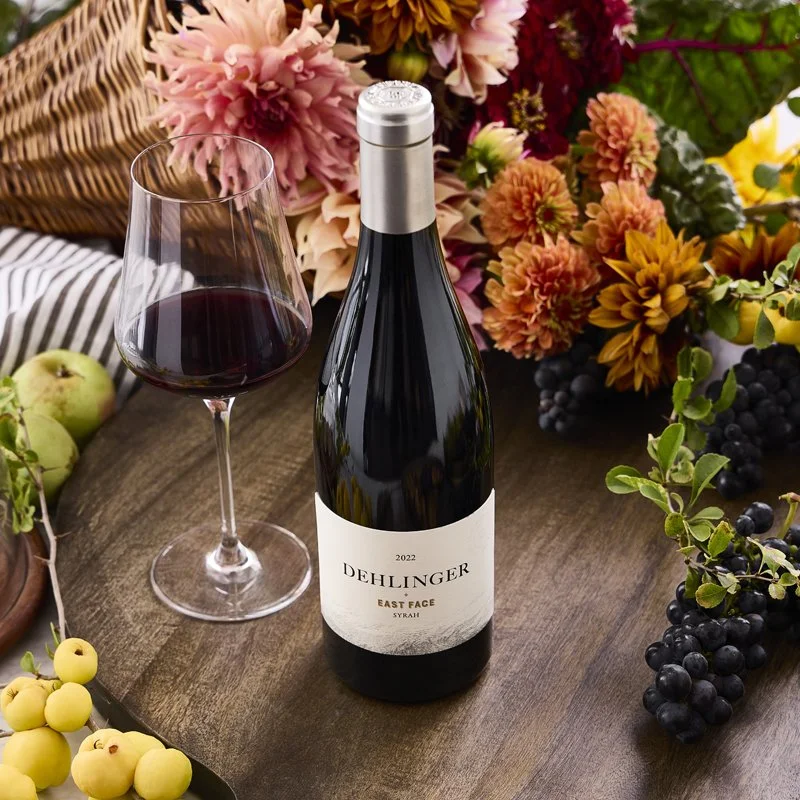
SYRAH
Shop available wines.