
discover Dehlinger
the PLACE
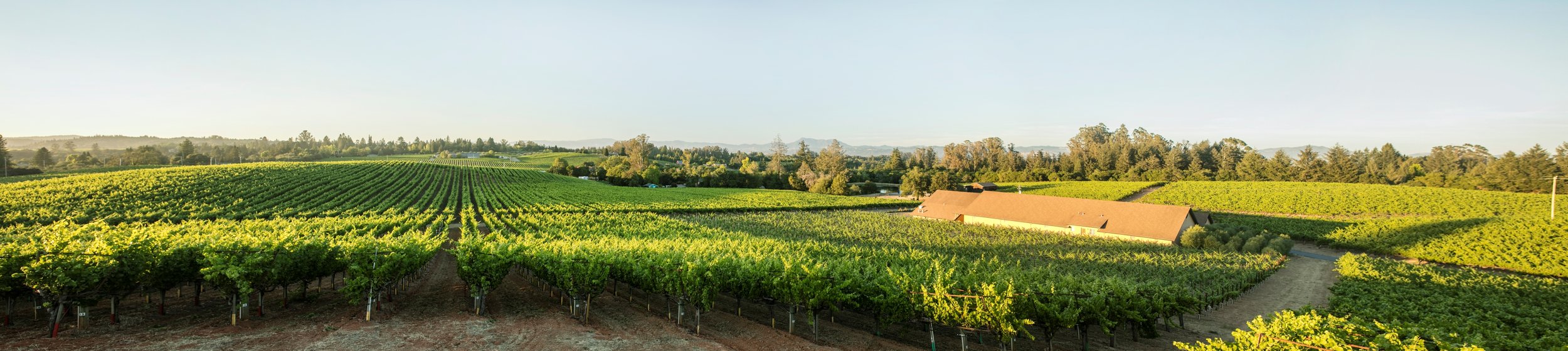
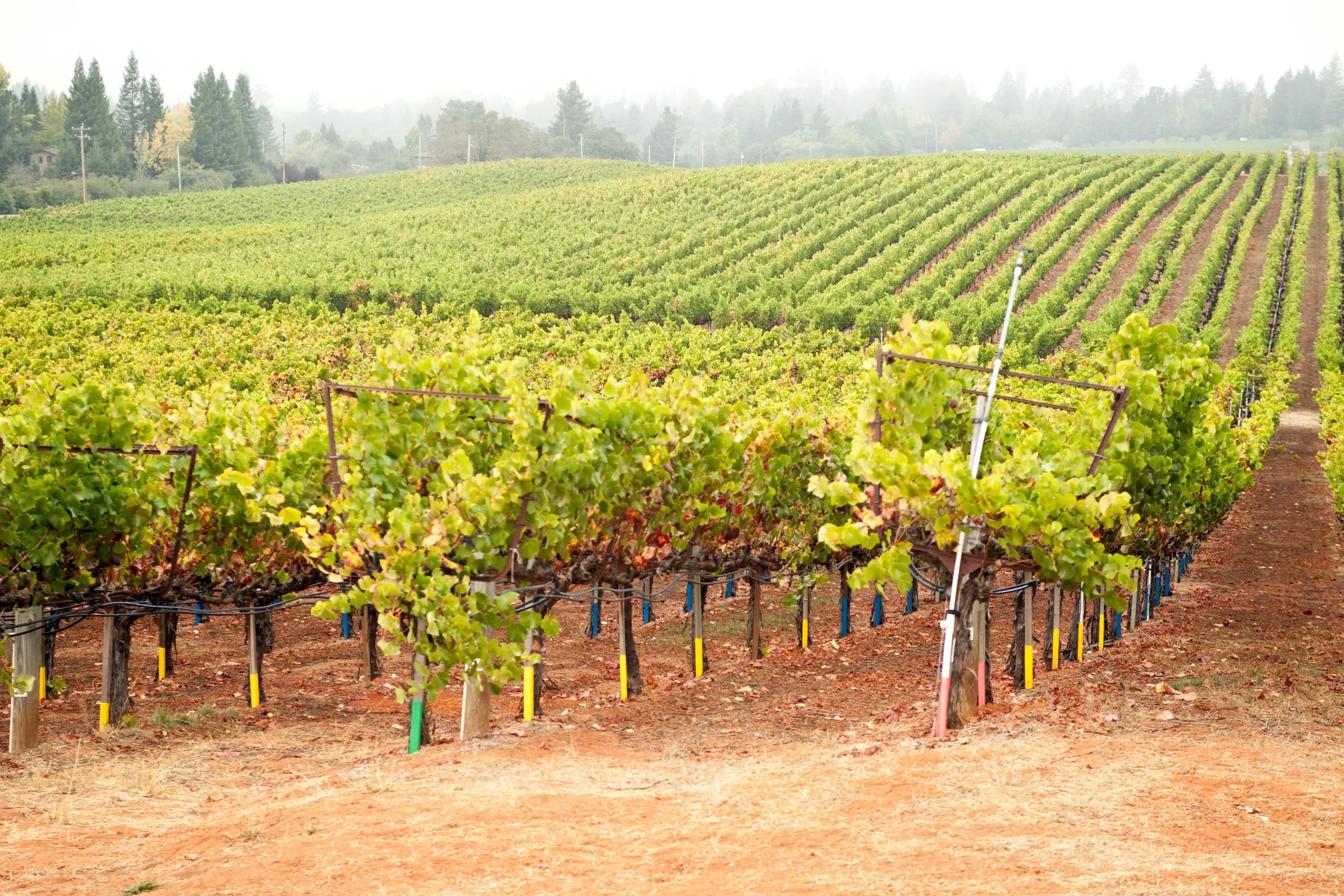
Our estate vineyard and winery lie in the heart of California’s Russian River Valley on Vine Hill Road. On a typical morning, the marine fog rolls in before dawn, giving the land a gentle reminder of another era in geologic time when its soil was washed by the ocean's waves.
Maritime INFLUENCE
The alternating influences of California sun and fog from the Pacific Ocean 13 miles to the West create a hybrid climate favorable for hillside grape growing: Cool evenings and mornings preserve flavor and acidity in the grapes, while moderately warm days allow the vines to grow and flourish.
Ideal terrain for winegrowing
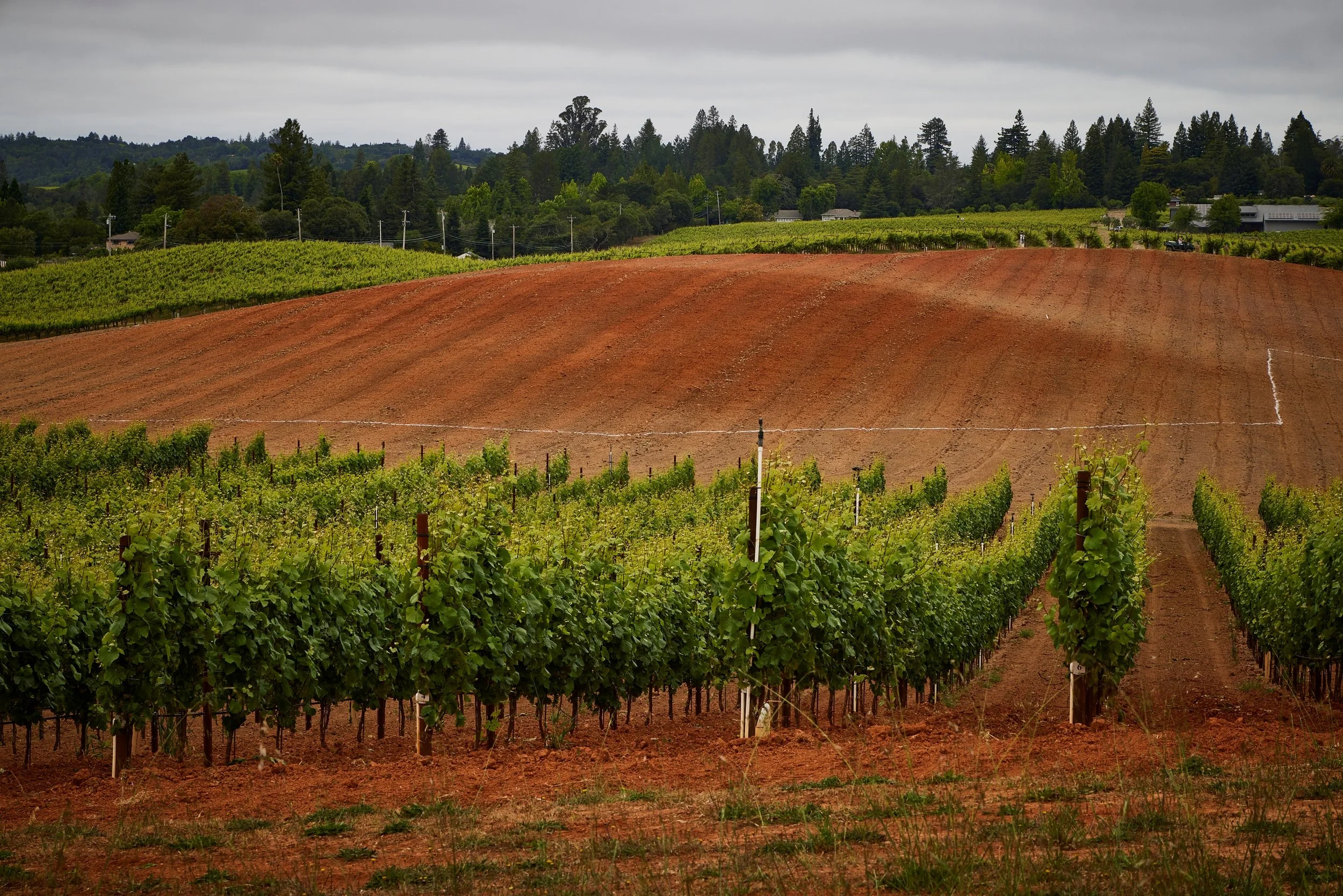
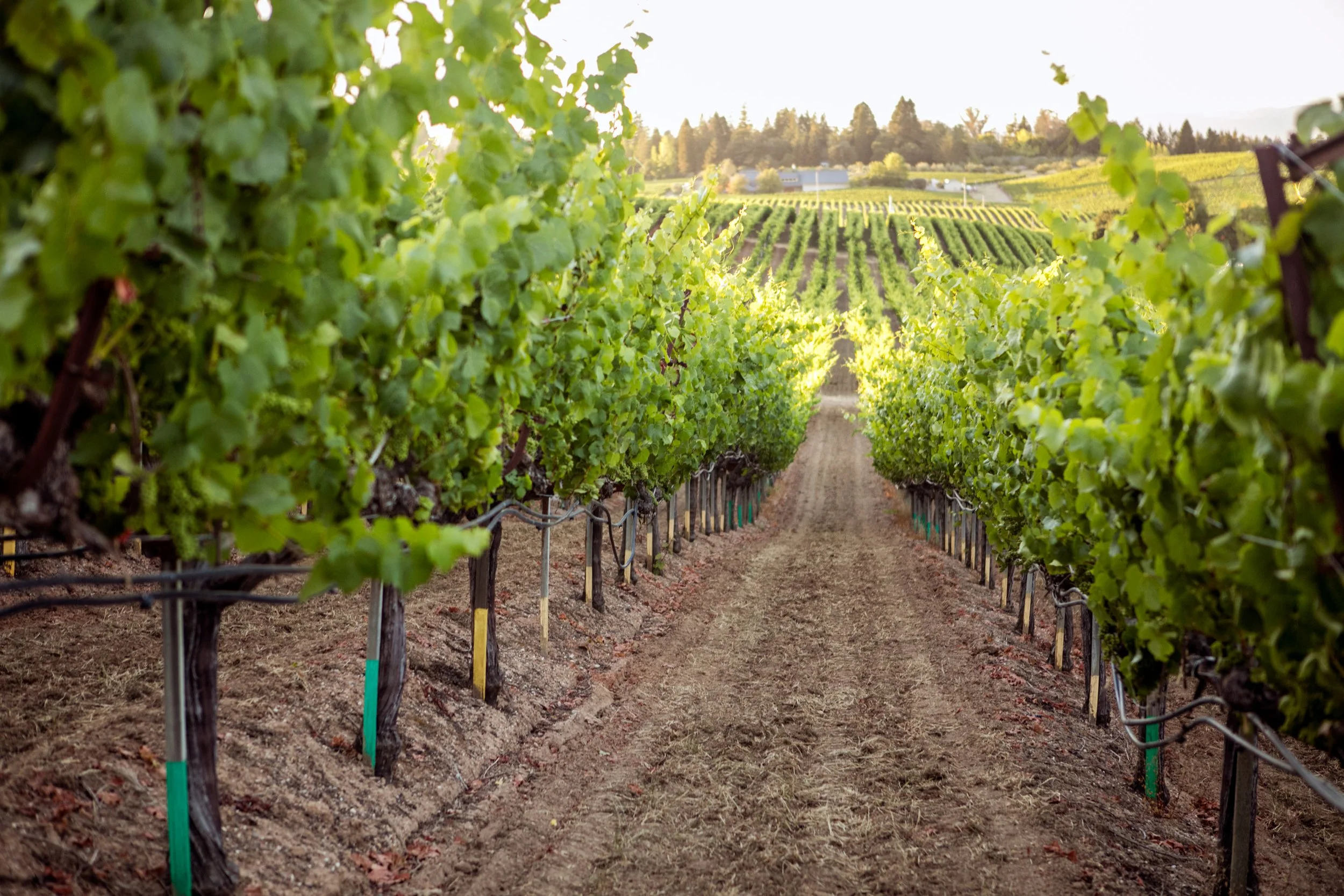
Rolling hillsides of loamy soils allow us to farm with minimal to no irrigation. The prized goldridge soil and rare altamont soils have long inspired our winemaking.
imprints of generational knowledge
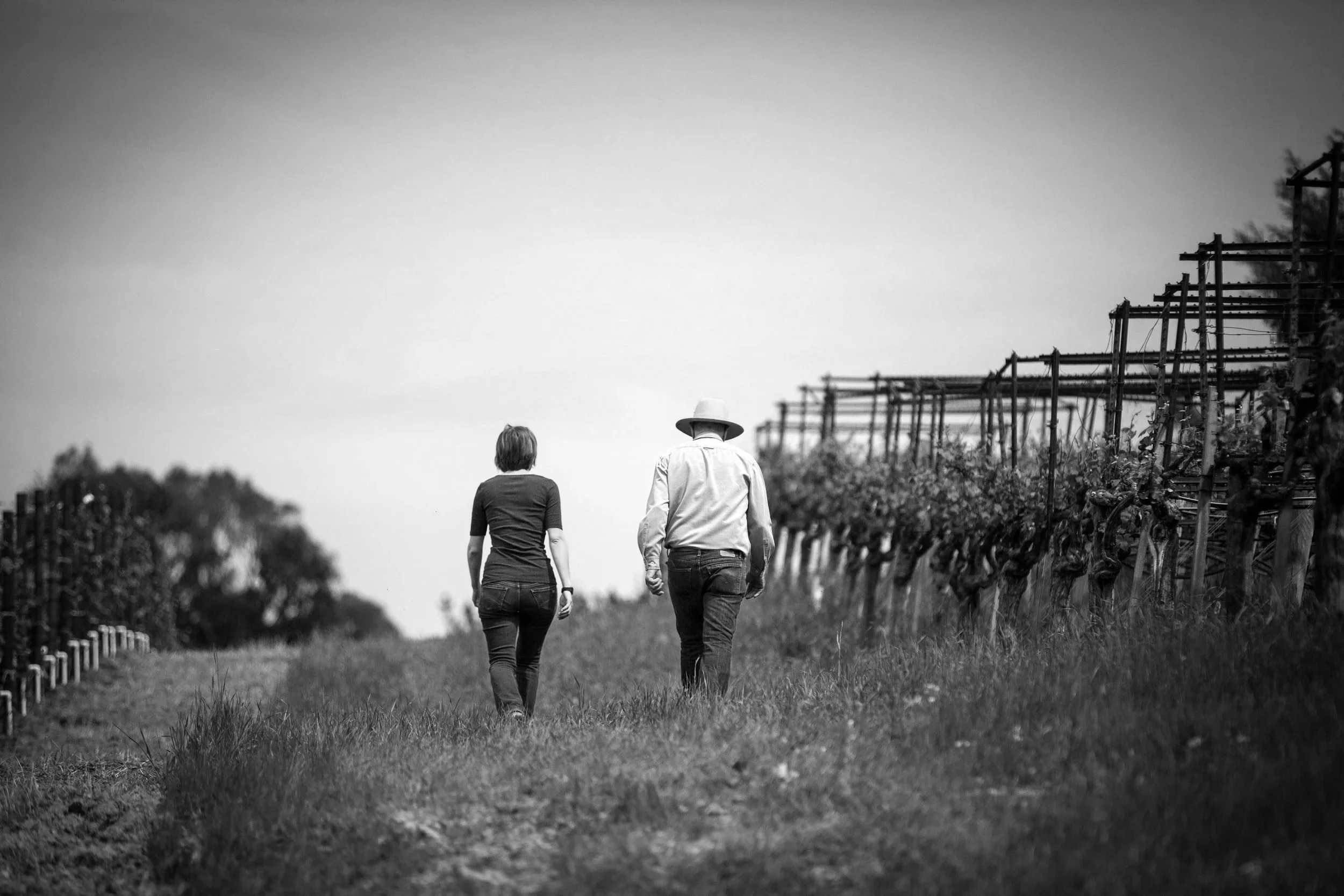
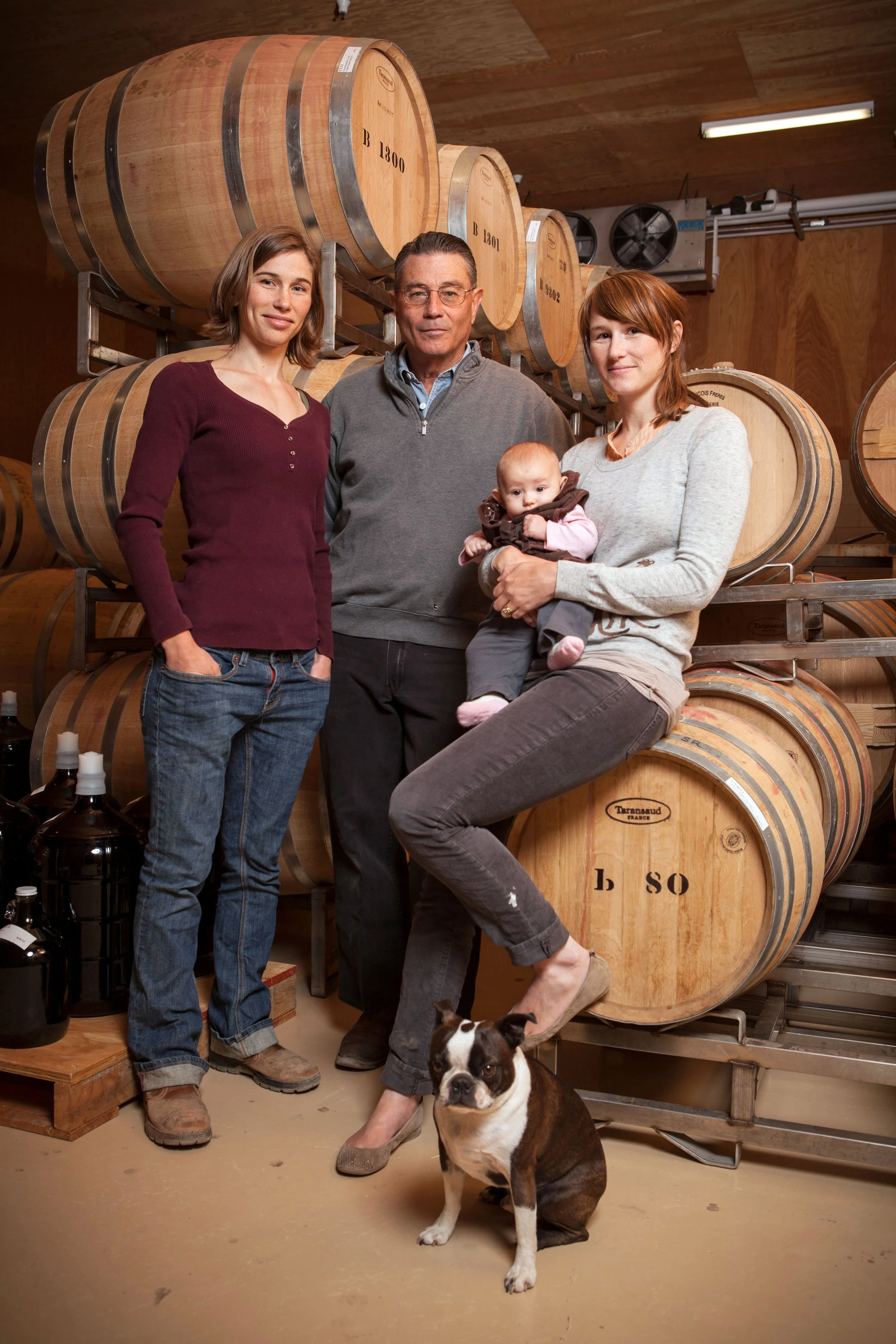
The vineyard itself is complex, constantly evolving, and multi-generational. Tom Dehlinger planted the first generation of vines in 1975 and oversaw the first generation of plantings, establishing the foundation of the estate.
Today, daughters Eva and Carmen Dehlinger guide the next generation, applying the knowledge we’ve built over decades regarding rootstocks, winegrape varieties, canopy management, and organizational management.
spectacular natural beauty
When the fog clears at midday, Mount St. Helena is visible to the northeast and the coastal ridges of Sonoma County to the west. The rows of our vines undulate over the rolling hills they are planted on, their roots exploring the diverse soils beneath them. It is hard to miss the spectacular natural beauty of our home.
for the love of the land
Stewardship and connection to place have long guided our approach to farming. We are proud to be caretakers of this place and motivated to take the long view in our approach.
Vines are primarily dry farmed, optimizing flavor in the fruit.
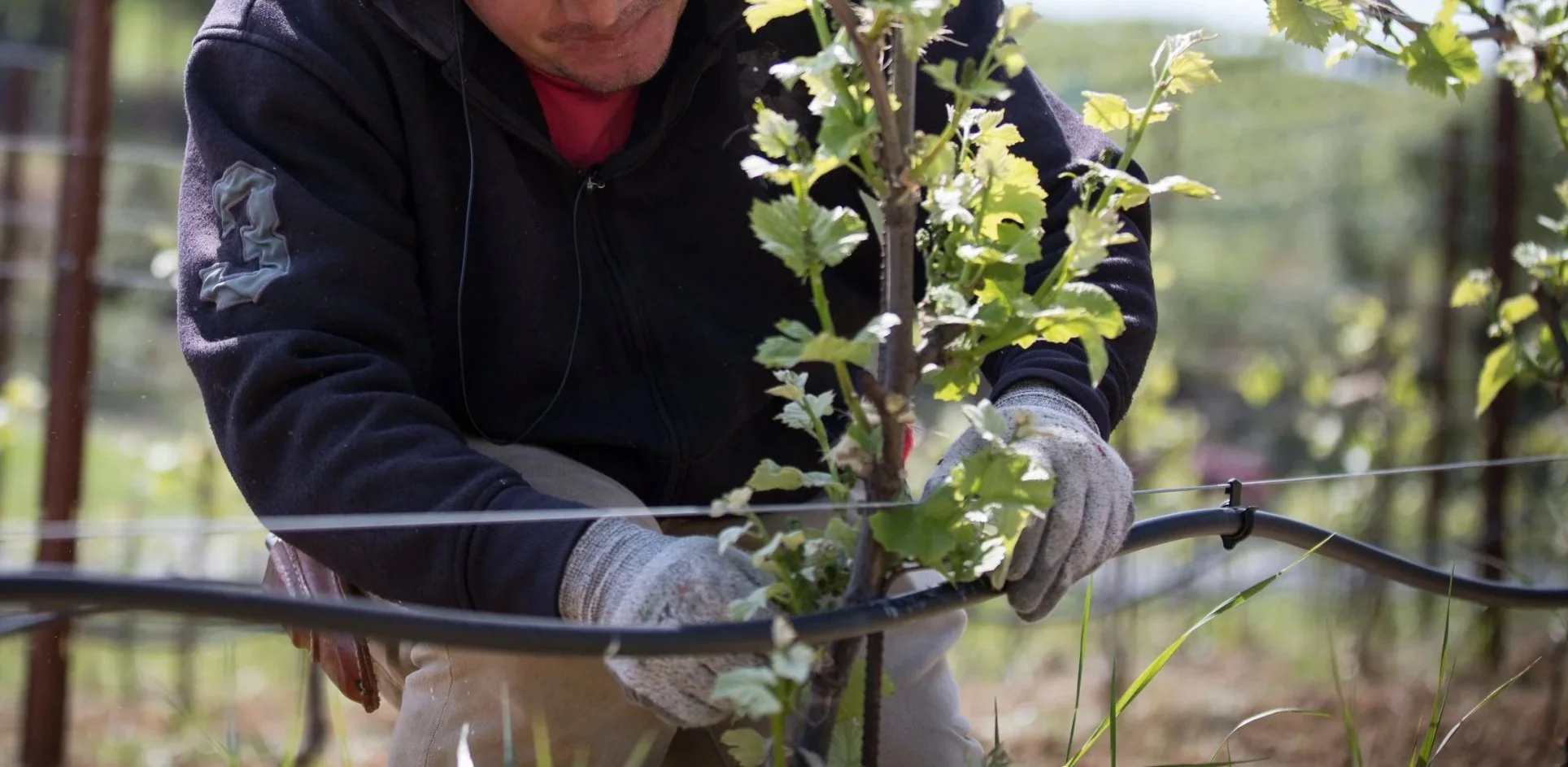
Between plantings, the land is given time to rest through a multi-year fallowing regime, including deep plowing, cover crops, and composting—practices that help regenerate and sustain the vineyard for years to come.
Erosion control is a part of our annual work cycle.
We are mindful of use of plastics in our vineyard, avoiding it when possible.
We have undertaken extensive, fully permitted creek bank stabilization projects, to stabilize our riparian zones, remove invasive species, and support native plants.
Onsite gardens provide habitat to pollinators and native California plants feature prominently in our landscaping.
A true cornucopia
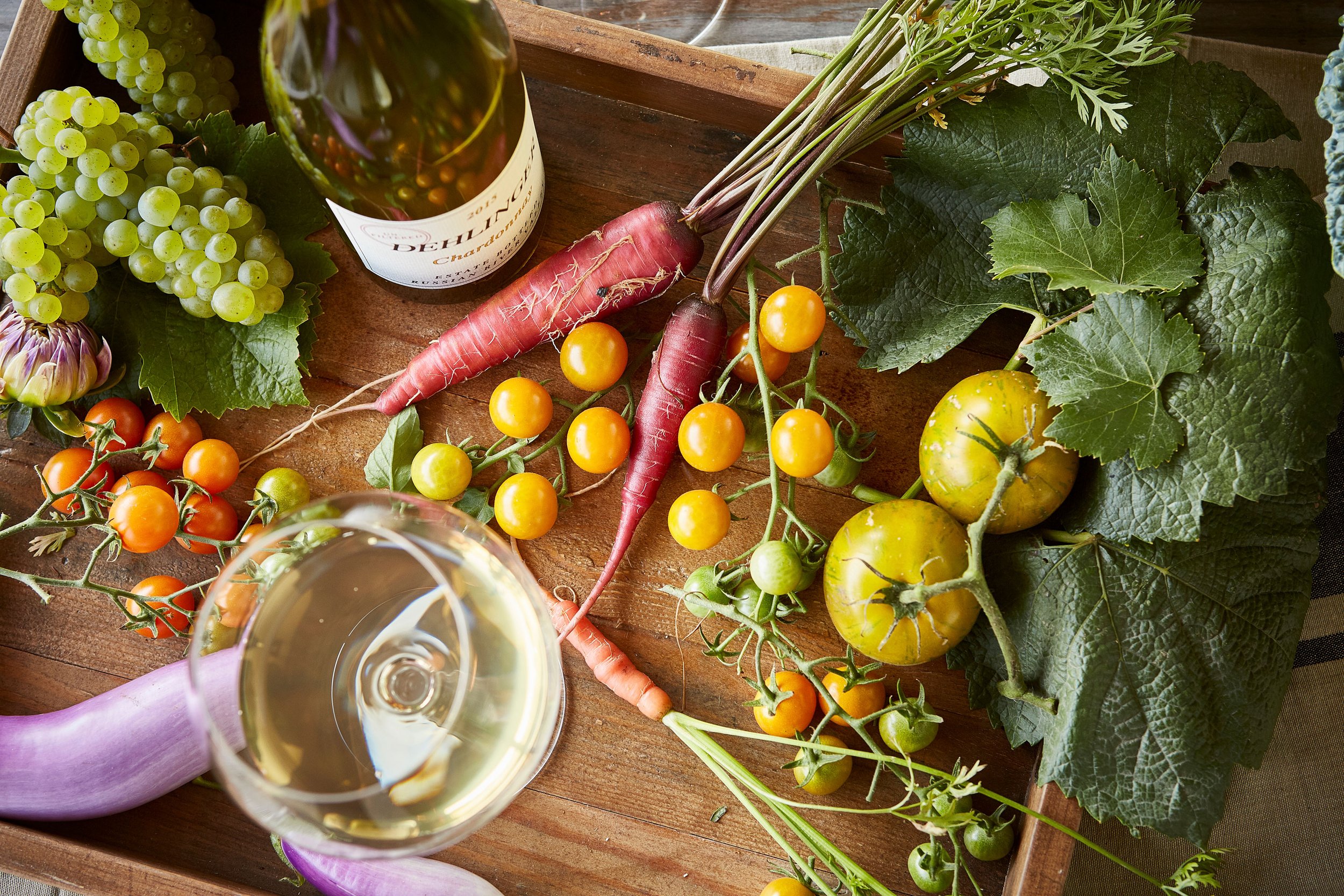
In addition to Pinot noir, Chardonnay, and Syrah winegrapes, we cultivate smaller amounts of trial winegrape varieties and table grapes. Flowers for decor are grown onsite, along with vegetable gardens and olives. Creeks, a pond, and multiple woodlands surround the vines. This cornucopia of produce and landscape speaks to nature’s generosity.
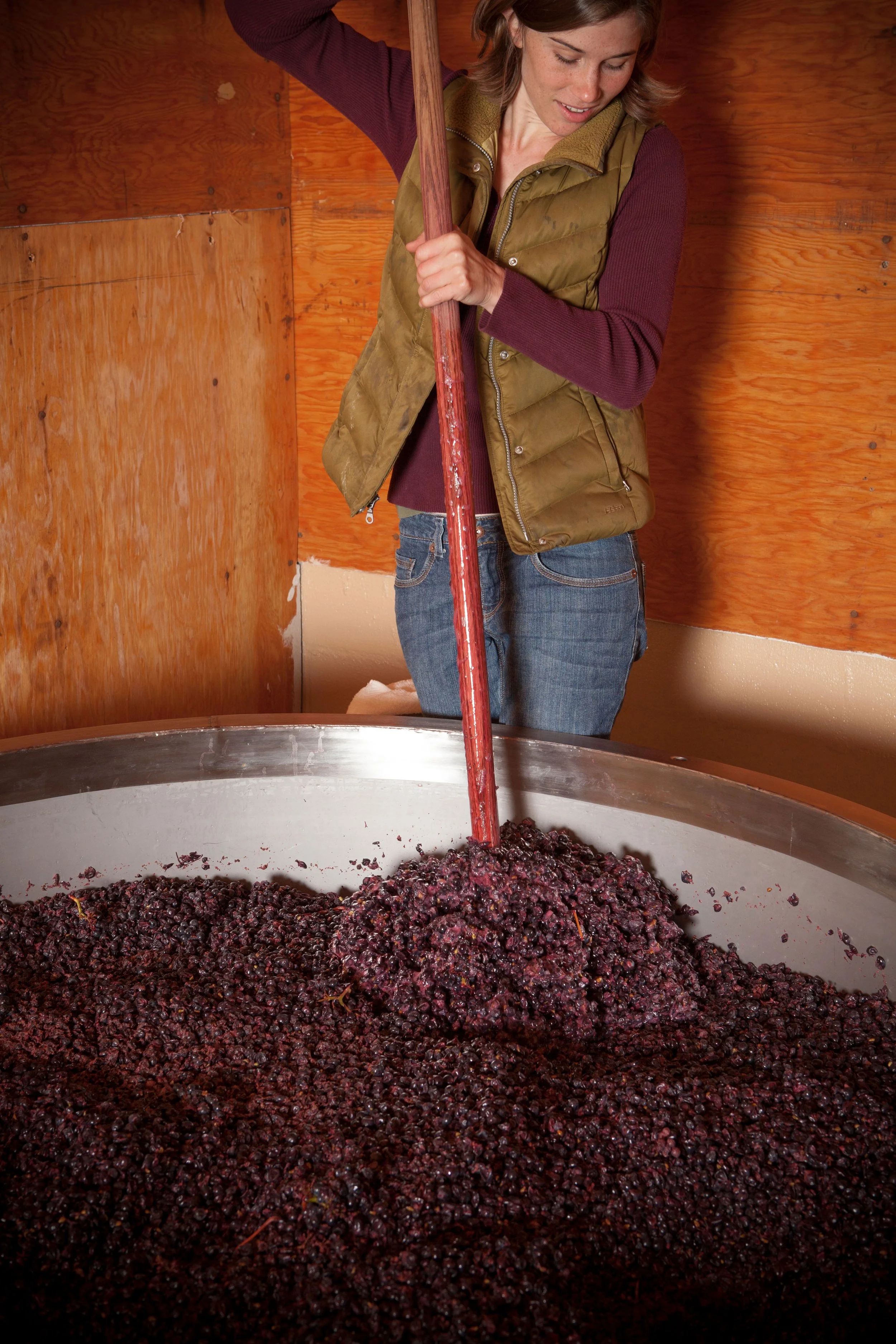
IT All Happens Here
With the winery nestled among the vines, the site is optimized for the creation of Estate Bottled wines, with the building, vineyard, and staff all operating together, in one place. “Estate Bottled” is legally defined term, and may only appear on a bottle of wine if certain conditions are met: 100 percent of the wine must come from grapes grown on land owned or controlled by the winery, and both the winery and the vineyard must be located within the boundaries of the labeled viticultural area. The winery must crush and ferment the grapes, and finish, age, process, and bottle the wine in a continuous process on its premises, the wine at no time having left the premises of the bottling winery.
Dehlinger wines bearing the "Estate Bottled” indication on the label are among the rare few that meet these demanding qualifications.
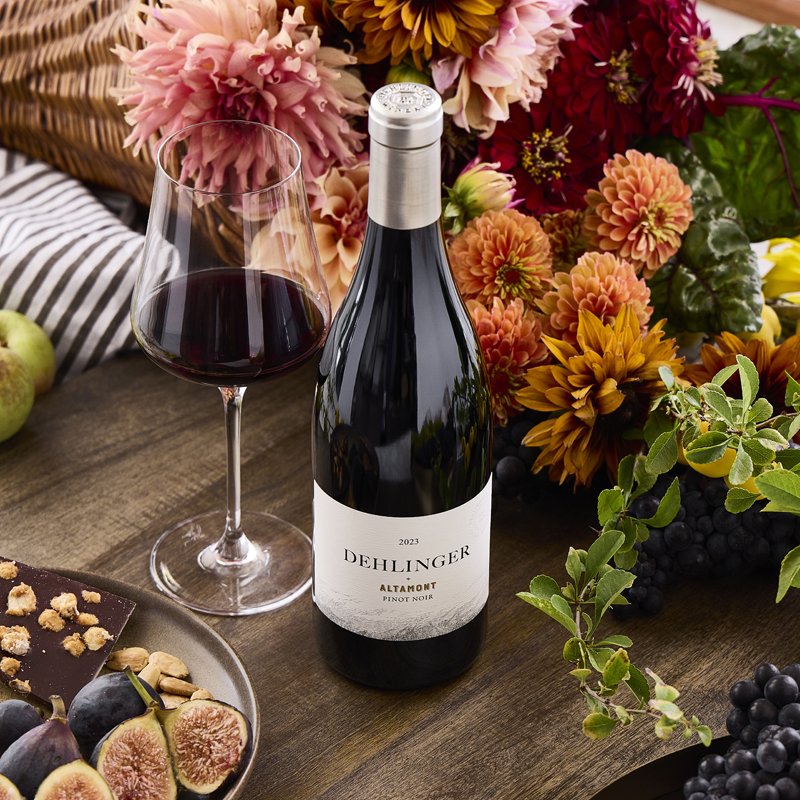
PINOT NOIR
Shop available wines.
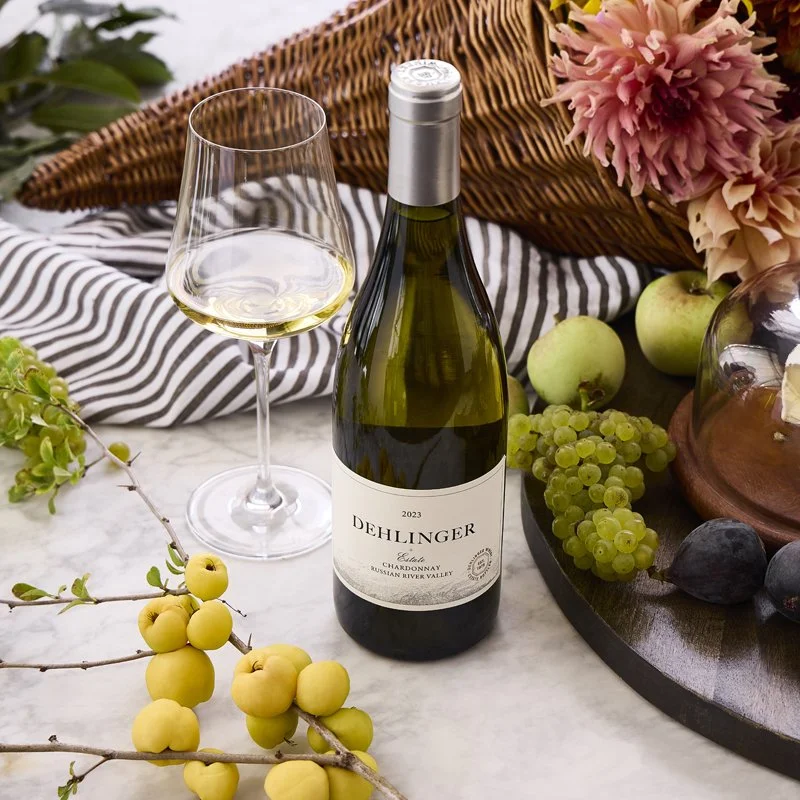
CHARDONNAY
Shop available wines.
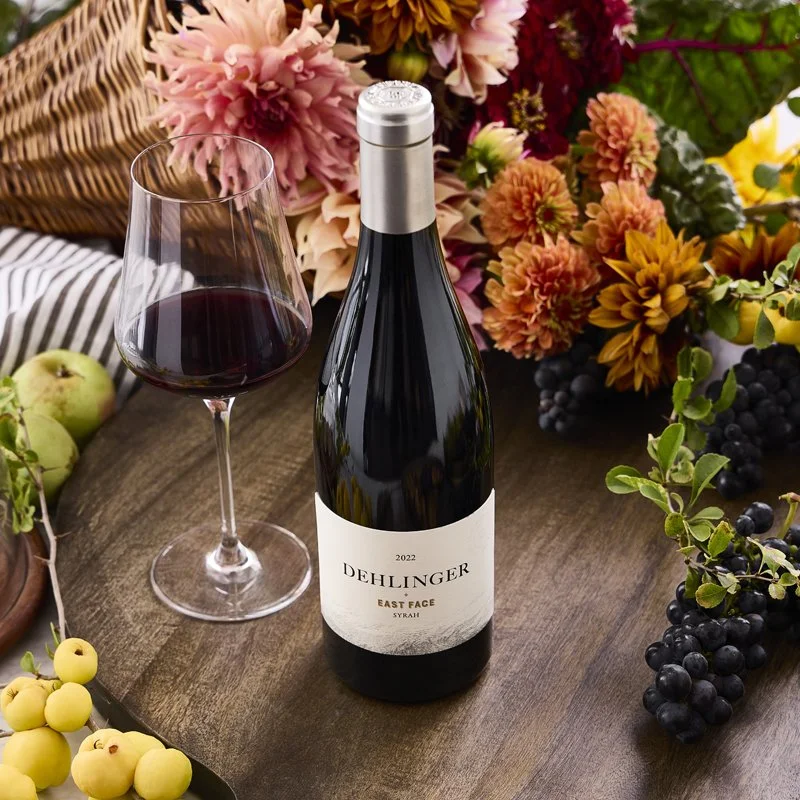
SYRAH
Shop available wines.